
Projeto português apresentado no Conselho da Europa


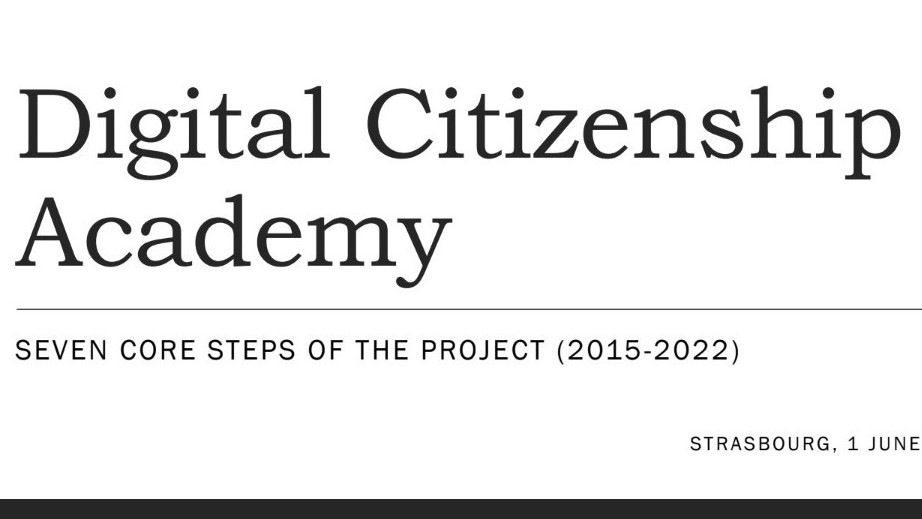
O projeto “Academia de Cidadania Digital”, que incluiu atividades de verificação de informação
e de combate à desinformação com crianças da Educação pré-escolar (3-6 anos) e do 1º Ciclo
(6-10 anos), foi apresentado dia 1 de Junho, no Conselho da Europa, como exemplo de boa prática a
seguir para implementar o modelo de Educação para a Cidadania Digital que aquela instituição
europeia preconiza.


A apresentação do investigador Vitor Tomé teve lugar durante uma reunião do projeto “Digital Citizenship Education”,
realizada no edifício Agora, em Estrasburgo, na qual estiveram presentes os especialistas do
projeto e a rede internacional de promotores da Cidadania Digital, em representação de 20
dos 46 países membros do Conselho.


Na mesma reunião foram apresentados os resultados de uma pesquisa internacional, que envolveu 17
países, a qual revelou que a Educação para a Cidadania Digital apenas faz parte dos curricula
da Educação Pré-escolar num dos países, pelo que é necessário investir naquele nível de
ensino, o que conferiu uma visibilidade maior à Academia, a qual integra a rede IBERIFIER.

Otros artículos

Mozambican journalists strengthen skills to tackle the challenges of digital information

The Introduction to Digital Journalism course, focused on the challenges and opportunities created by the digital transformation of journalism, concluded on 24 July in Maputo, Mozambique. The training addressed the growing importance of digital...

Fact-checking report: Immigration is the main disinformation topic in Spain and Portugal

Immigration was the most prominent disinformation topic identified in Spain and Portugal between March and May 2026. The finding comes from IBERIFIER’s quarterly report, which brings together the main false claims and disinformation narratives...

Ramón Salaverría warns of the weakening of discourse centred on evidence

IBERIFIER coordinator Ramón Salaverría warned of the growing difficulty in distinguishing truth in a context shaped by disinformation, the increasing influence of emotions, and the erosion of consensus around evidence. He delivered his remarks...

Report: Spain & Portugal fact-checking brief

This report collects the main hoaxes and disinformation narratives detected in Spain in Portugal from March to May. Iberifier-Report-Q2-vfinalDownload

Newtral study identifies the “rhetorical package” behind the spread of disinformation and hate speech on social media during the Torre Pacheco unrest

Research by Newtral and the University of Granada finds that a combination of group identity, distorted information, unjustified causal inferences and emotionally charged language consistently appeared in viral content related to the unrest that...