
Conferência em Bruxelas: Formação em literacia nas universidades está no começo

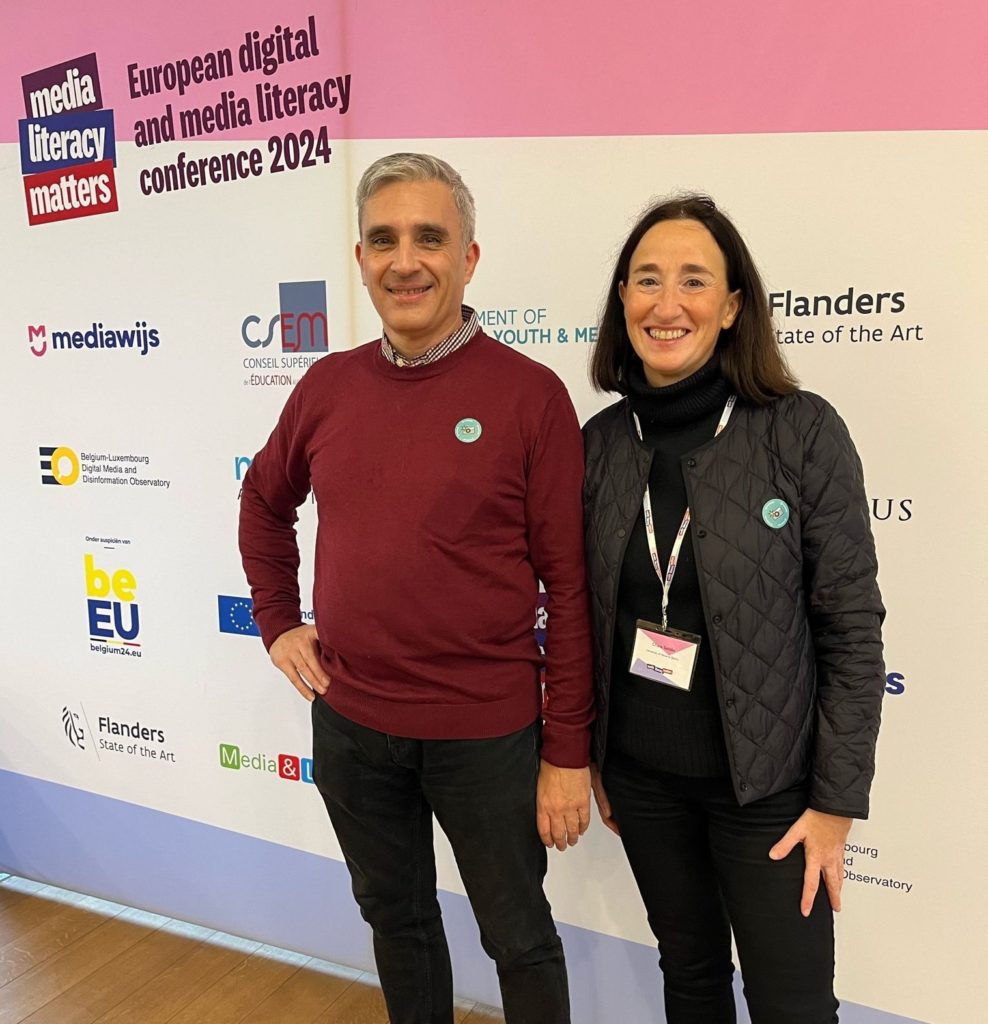
No encontro de especialistas em Literacia para os Média, “Media literacy matters” https://www.mediawijs.be/en/medialiteracymatters, que decorreu em Bruxelas, de 27 de fevereiro a 1 de março, debateu-se, entre outros temas, o papel das iniciativas que estão a ser realizadas no ensino superior, as experiências desenvolvidas com professores e com séniores. Vítor Tomé, investigador do IBERIFIER, do ISCTE – IUL, foi moderador e palestrante e Charo Sadaba, também investigadora do IBERIFIER, da Universidade de Navarra, fez uma participação sobre um estudo de caso espanhol.

Na área do ensino superior, e embora haja entidades internacionais a fazer projetos interessantes, da criação de cadeiras de “Media Literacy” em universidades de países de Leste, como é o caso do IREX, e existam cadeiras dedicadas a Media Literacy de base mais técnica na Hungria, bem como mestrados na área, como é o caso da Universidade Lusófona, no Porto https://www.ulusofona.pt/porto/mestrados/literacia-dos-media-e-da-informacao-e-cidadania-digital, o caminho ainda está no início, sintetizou Vítor Tomé. “Há muito trabalho a fazer nesta área, nomeadamente na formação inicial e contínua de professores e outros educadores, referiu, apoiando-se em relatórios recentes sobre a matéria, como o relatório do projeto Teamlit (2023).

Vítor Tomé teve ainda a oportunidade de mostrar o trabalho de campo que tem promovido com professores em Portugal. Charo Sadaba integrou o painel “Wise reads; promoting news literacy among older adults” e a sua apresentação teve como título: “Media Literacia para cidadãos séniores: o caso de Espanha”.
Otros artículos

Miguel Crespo takes part in international conference in Tartu discussing innovative models of journalism

Miguel Crespo is participating this Thursday in the international conference organised by the European Journalism Training Association, taking place in Tartu, Estonia, until 22 May. The Director of the Portuguese Journalists Training Center and...

Maldita.es investigation: Analysis of suspicious TikTok comments reveals suspected paedophile networks

A study by the Maldita.es Foundation, which analysed more than 20,200 comments, 1,600 accounts and 380 TikTok videos, found evidence of an active network of suspected sexual predators on the platform. The investigation identified over...

Webinar: Economic factors and integration into highly emotive formats help explain the rise of misogyny

The growth of misogynistic content linked to disinformation messages was examined during a webinar organised on Tuesday, 12 May, by IBERIFIER and the Centre for the Professional Training of Journalists (CENJOR). The invited experts...

Analysis of new skills for practising journalism at the Regional Press Technical Days

What are the new skills and requirements facing local press journalists? The Regional Press Technical Days, which brought together journalists and subject-matter experts, analysed and discussed emerging methodologies. The event, organised by the Portuguese...

EDMO launches training series on disinformation and identity

The European Digital Media Observatory (EDMO) will organise a series of workshops entitled “People, Not Narratives: EDMO Training Series on Identity-Based Disinformation”. José Moreno, researcher at ISCTE – IUL and member of the IBERIFIER...