
Exemplo de Caneças: Como motivar crianças para a cidadania

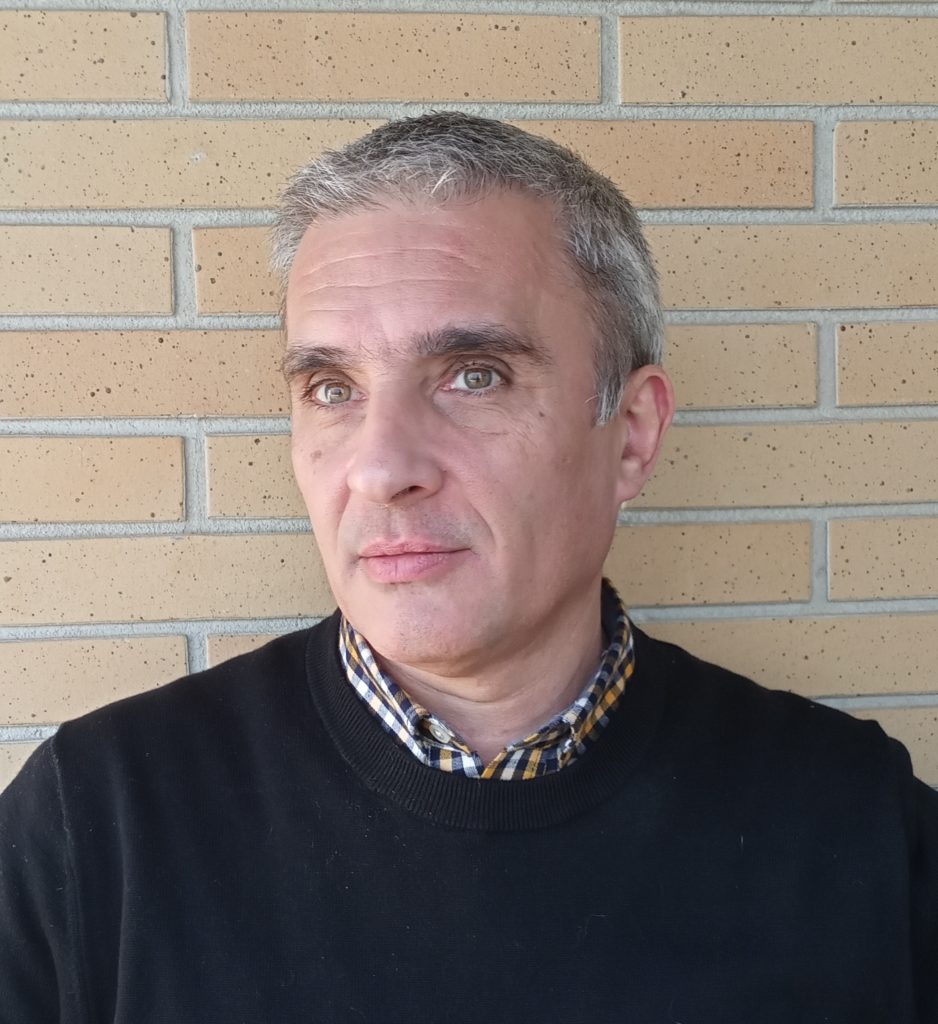
“Digital Citizenship Academy: young children becoming social actors in their own lives” foi o tema do webinar dinamizado pelo investigador Vitor Tomé, a 27 de abril, no âmbito do ciclo de webinars “Children, Youth and Digital Media 2022”, organizado pela Escola Superior de Educação do Instituto Politécnico de Setúbal, tendo como público preferencial os alunos em mobilidade Erasmus.

Durante o webinar, que teve a duração de duas horas, foi apresentada o projeto ‘Digital Citizenship Academy’ (2015 – …; Caneças, Lisboa, Portugal), um projeto de investigação em curso de base comunitária cujos principais atores são crianças do pré-escolar e do ensino primário. Este projeto está associado ao projeto IBERIFIER, numa lógica exploratória e prospetiva, pois centra-se em crianças de idades inferiores aos grupos etários alvo.

Os resultados mais visíveis do projeto (um jornal escolar, quer impresso quer online, um Canal YouTube e um manual de boas práticas da autoria de investigadores e professores) e os menos visíveis (o modelo de intervenção que está a ser implementado, os resultados das formações de professores e as parcerias cruciais) foram discutidos e partilhados durante o webinar.

Em fevereiro, dia 2, Vítor Tomé participou também na “Digital Citizenship Education and Foreign Language Learning” com uma apresentação subordinada ao tema “Digital Citizenship Education, da teoria à prática”, que se destinou a alunos estrangeiros que frequentam o Instituto Politécnico de Setúbal.
Otros artículos

Mozambican journalists strengthen skills to tackle the challenges of digital information

The Introduction to Digital Journalism course, focused on the challenges and opportunities created by the digital transformation of journalism, concluded on 24 July in Maputo, Mozambique. The training addressed the growing importance of digital...

Fact-checking report: Immigration is the main disinformation topic in Spain and Portugal

Immigration was the most prominent disinformation topic identified in Spain and Portugal between March and May 2026. The finding comes from IBERIFIER’s quarterly report, which brings together the main false claims and disinformation narratives...

Ramón Salaverría warns of the weakening of discourse centred on evidence

IBERIFIER coordinator Ramón Salaverría warned of the growing difficulty in distinguishing truth in a context shaped by disinformation, the increasing influence of emotions, and the erosion of consensus around evidence. He delivered his remarks...

Report: Spain & Portugal fact-checking brief

This report collects the main hoaxes and disinformation narratives detected in Spain in Portugal from March to May. Iberifier-Report-Q2-vfinalDownload

Newtral study identifies the “rhetorical package” behind the spread of disinformation and hate speech on social media during the Torre Pacheco unrest

Research by Newtral and the University of Granada finds that a combination of group identity, distorted information, unjustified causal inferences and emotionally charged language consistently appeared in viral content related to the unrest that...