
Melhor antídoto é a dúvida

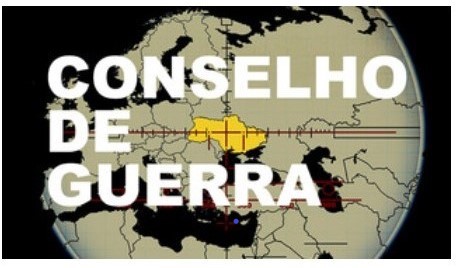
Não aceitar tacitamente a informação só porque foi partilhada por um amigo e consultar fontes credíveis e as fontes das fontes, são algumas das recomendações para evitar os efeitos da desinformação relativa à guerra da Ucrânia, sintetizou Miguel Crespo, coordenador do projeto Iberifier, no programa “Conselho de Guerra”, transmitido pela rádio TSF, no dia 11 de março. O melhor antídoto para a desinformação é a dúvida, sublinhou.

No que se refere a um balanço do que tem sido mais comum acontecer em termos de informação, nos primeiros 15 dias de guerra, sobressai o recurso a fotos antigas de guerra e do conflito na Síria, onde tem sido usado armamento e tropas semelhantes. Em quantidade, têm vindo a circular no mundo Ocidental mais narrativas favoráveis à Ucrânia do que à Rússia e a tendência é aceitar as primeiras.

Isto acontece, explica o investigador do ISCTE, porque prevalece o mecanismo de validação sobre o que vai ao encontro das nossas posições, e essa particularidade justifica, aliás, o êxito da desinformação. “O Ocidente tomou o lado da Ucrânia, provavelmente com razão, e isso afeta o que aceitamos como verdade ou mentira”.

No mesmo programa, Luís Filipe Simões, presidente do Sindicato dos Jornalistas, manifestou-se contra a suspensão da transmissão dos dois canais russos na Europa. O bloqueio, defendeu, tornou o trabalho dos jornalistas mais difícil, uma vez que deixaram de ter elementos para relatar aquela parte da narrativa.
Otros artículos

EFE Verifica wins Global Fact-Checking Award for “Fake News, Real Victims”

The Spanish news agency received a Global Fact-Checking Award on 19 June for its multimedia project Fake News, Real Victims (Noticias falsas, víctimas reales). The distinction was awarded during an international conference held in...

From fact-checking to Community Notes: new special issue examines the changing fight against disinformation on social media

The new special issue of the scientific journal Communication & Society, entitled “From Fact-Checking to Community Notes: Structural Changes in the Fight Against Disinformation on Social Media”, is now available. This special edition is...

Three IBERIFIER team projects shortlisted for the IFCN’s Global Fact-checking Awards

The projects "Noticias falsas, víctimas reales" by EFE Verifica, "Laura" by Newtral, and the research that looked into more than 1,000 fraudulent Facebook pages by Maldita.es, three organisations that are part of the...

Journalist Irene Larraz, a membre of the IBERIFIER team, has completed her PhD with a thesis on artificial intelligence and fact-checking

The growing use of artificial intelligence in content verification was the central focus of the research carried out by Irene Larraz as part of her doctoral studies, which she defended on 5 June at...

University of Navarra promotes a media literacy model based on real-world experiences and critical thinking

Through its School of Communication and its involvement in international projects such as IBERIFIER, the University of Navarra has been developing a range of initiatives aimed at strengthening citizens’ skills in analysing, verifying and...