
Pouco se sabe sobre oposição a Putin

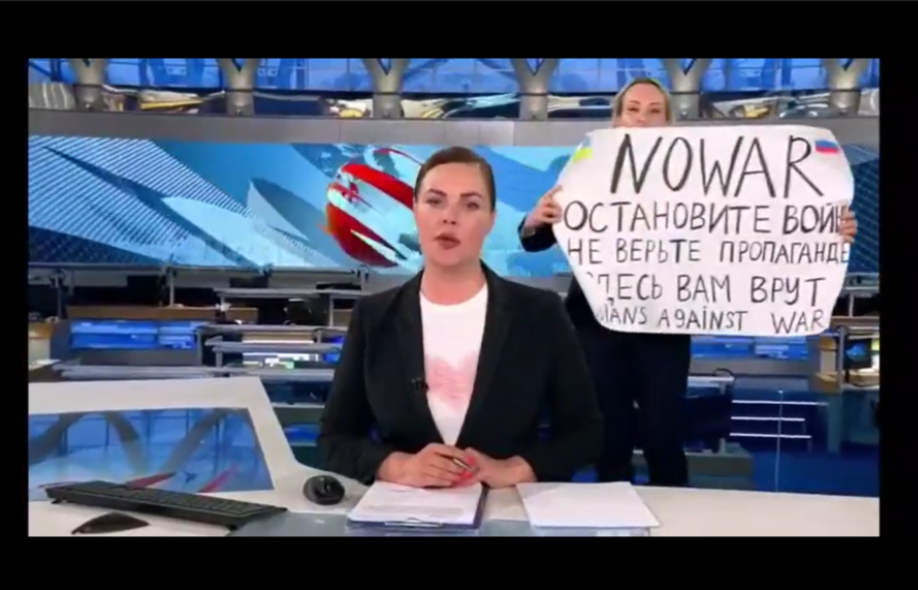
É escassa a informação sobre a forma como os russos estão a entender esta guerra, alerta Gustavo Cardoso, professor do ISCTE, à rádio Observador. A interrupção de Marina Ovsyannikova de um dos noticiários russos mais vistos, a 14 de março, deixou o alerta sobre a propaganda que estará a ser divulgada.

No entender de Gustavo Cardoso, “não sabemos até que ponto a população dentro da Rússia está a ter um padrão de comportamento diferente do que tinha antes da guerra na Ucrânia. Protesto (ao regime) também havia antes” Jornalismo. “Também não podemos acreditar em tudo o que vem do lado ucraniano” – Observador.

“O jornalismo na Rússia está ainda muito na senda da voz do Estado e dos poderes”, contextualiza Gustavo Cardoso. Por outro lado, os russos estão muito habituados a ter uma relação diferente com os meios de comunicação social. Há quem saiba diferenciar a voz do Estado das outras vozes, considerou.

“Na comunicação em rede de hoje, temos informação através do jornalismo e através de diferentes ecrãs e meios, temos rádio e televisão que podemos ver de forma tradicional mas também através da internet”, contextualizou o investigador, professor do ISCTE.
Otros artículos

Two IBERIFIER team projects shortlisted for the IFCN’s Global Fact-checking Awards

The projects "Noticias falsas, víctimas reales" by EFE Verifica and "Laura" by Newtral, two organisations that are part of the IBERIFIER Iberian network against disinformation, have been shortlisted for the Global Fact-Checking Awards, presented...

Journalist Irene Larraz, a membre of the IBERIFIER team, has completed her PhD with a thesis on artificial intelligence and fact-checking

The growing use of artificial intelligence in content verification was the central focus of the research carried out by Irene Larraz as part of her doctoral studies, which she defended on 5 June at...

University of Navarra promotes a media literacy model based on real-world experiences and critical thinking

Through its School of Communication and its involvement in international projects such as IBERIFIER, the University of Navarra has been developing a range of initiatives aimed at strengthening citizens’ skills in analysing, verifying and...

Fake political endorsements, immigration and artificial intelligence shape a quarter marked by disinformation in Portugal and Spain

The dissemination of manipulated statements falsely attributed to presidential candidates and the circulation of alleged endorsements from public figures that never existed were among the main disinformation phenomena recorded in Portugal during the 2026...

Report: Spain & Portugal fact-checking brief

This report collects the main hoaxes and disinformation narratives detected in Spain in Portugal from December to February. Iberifier-Report-DecemberFebruaryDownload